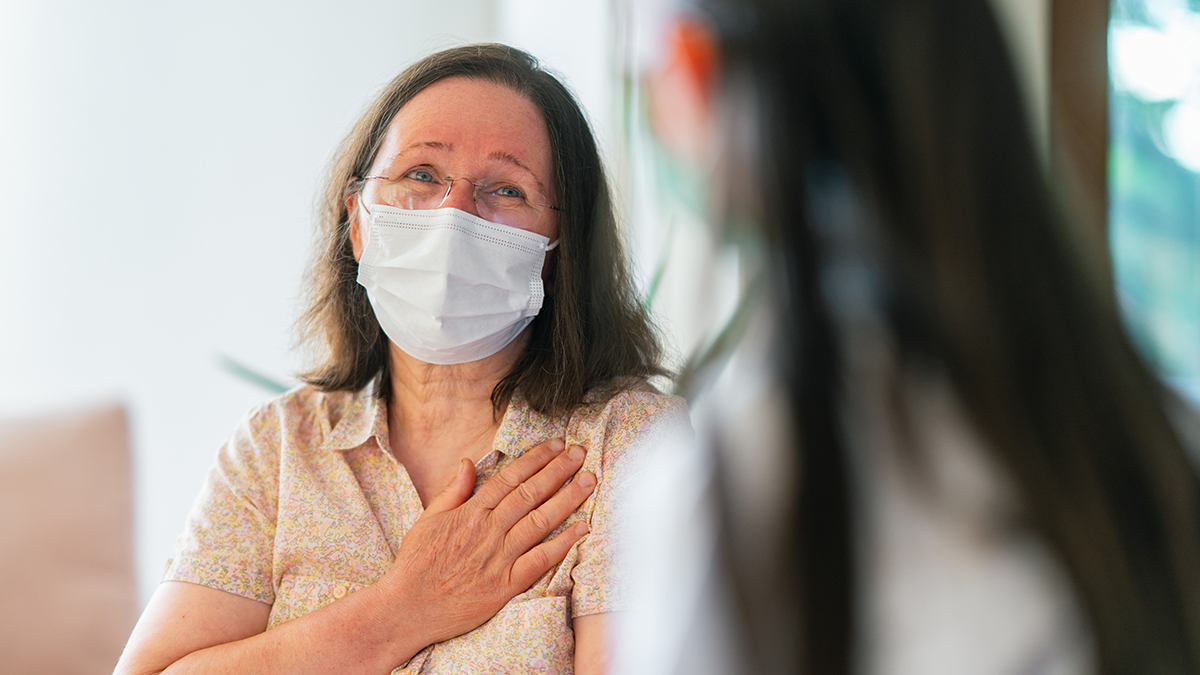
Managing Long COVID: Understanding Symptoms & Natural Relief Options
For millions worldwide, the journey with COVID-19 doesn't end after the initial infection clears. Instead, a challenging and often debilitating condition known as 'Long COVID' emerges, leaving individuals grappling with persistent health issues that can profoundly impact daily life. Officially recognized as a Post-COVID Condition or Post-Acute Sequelae of COVID-19 (PASC), Long COVID describes a wide array of symptoms that linger for weeks, months, or even longer after the acute phase of the illness has passed. Crucially, the severity of your initial COVID-19 infection does not determine your susceptibility to Long COVID; even those who experienced mild or asymptomatic cases can develop these long-term symptoms. Understanding these persistent Long COVID symptoms is the first step toward finding effective management strategies.The Diverse Spectrum of Long COVID Symptoms
One of the most perplexing aspects of Long COVID is its diverse presentation. Symptoms can vary wildly from person to person, both in type and severity, making diagnosis and treatment particularly complex. While ongoing research continues to shed light on this evolving condition, several common Long COVID symptoms have been identified:- Profound Fatigue: More than just tiredness, this is a pervasive, often debilitating exhaustion that doesn't improve with rest. It can lead to post-exertional malaise (PEM), where even minimal physical or mental effort triggers a severe worsening of symptoms.
- Shortness of Breath: Persistent difficulty breathing or feeling breathless, even with light activity or at rest, can be a constant reminder of the body's struggle.
- Cognitive Issues (Brain Fog): Many describe a significant decline in mental clarity, struggling with memory, concentration, focus, and finding the right words – often feeling as though a mental fog has descended.
- Chest Pain and Palpitations: Discomfort or pain in the chest, which can differ from the acute phase of COVID-19, coupled with irregular or pounding heartbeats, are frequently reported.
- Muscle and Joint Pain: Persistent or recurring aches, stiffness, and pain across muscles and joints can severely limit mobility and comfort.
- Headaches: Frequent, severe, or unusual headaches, sometimes resembling migraines, are common.
- Loss or Alteration of Smell or Taste: Anosmia (loss of smell), ageusia (loss of taste), or parosmia (distorted smell/taste) can significantly impact quality of life and appetite.
- Sleep Disturbances: Insomnia, restless sleep, or an inability to achieve refreshing sleep are prevalent, exacerbating fatigue and other symptoms.
- Gastrointestinal Issues: Symptoms like nausea, diarrhea, abdominal pain, or other digestive problems can persist.
- Dizziness or Lightheadedness: Feelings of faintness or unsteadiness, often worse upon standing (suggesting dysautonomia or POTS-like symptoms), can be a significant concern.
It’s important to recognize that an individual might experience just a few of these symptoms, or a complex combination, with their severity and duration fluctuating over time. This variability underscores the need for personalized approaches to management.
Navigating Treatment: Why Natural Relief Options Matter
Given the complex and often elusive nature of Long COVID, there is currently no single "miracle cure." This reality can be frustrating for patients seeking definitive answers and rapid recovery. Medical professionals often manage Long COVID by addressing individual symptoms, which can sometimes involve multiple medications. However, many individuals find themselves exploring complementary and natural remedies to support their healing journey and alleviate persistent Long COVID symptoms. These natural approaches often focus on holistic well-being, supporting the body's innate healing mechanisms, and improving overall quality of life. While natural remedies should *never* replace professional medical advice, they can often serve as valuable adjuncts in a comprehensive management plan. Always consult with your doctor before integrating new treatments, especially if you are taking prescription medications.Empowering Your Recovery: Practical Natural Relief Options
Embracing natural relief options for Long COVID often means adopting a more intentional, self-aware lifestyle that prioritizes your body's delicate balance.1. Prioritize Strategic Rest and Pacing
Arguably the most crucial strategy for managing Long COVID, especially fatigue and post-exertional malaise, is strategic rest and 'pacing.' This isn't just about sleeping more, but about thoughtfully managing your energy throughout the day. Listen intently to your body's signals and avoid pushing yourself beyond your limits, which can trigger symptom flares. Incorporate short, scheduled breaks into your day, even if you feel capable of continuing. These moments of rest—stepping away from tasks, stretching, or simply relaxing—are vital for sustaining energy levels, enhancing mental focus, and promoting both physical and mental rejuvenation. Consider keeping an activity log to identify patterns in your energy levels and symptoms, helping you learn your personal "energy envelope."
For an emotional and energy boost, some find aromatic support helpful. Lemongrass Essential Oil, for instance, is traditionally believed to possess energy-cleansing properties that can help dispel feelings of sluggishness or emotional 'heaviness.' While not a direct treatment for Long COVID, its uplifting scent can contribute to a more positive mental state, indirectly supporting your recovery journey.
2. Nurture Your Body with Anti-Inflammatory Nutrition
Long COVID is often characterized by ongoing inflammation. Adopting an anti-inflammatory diet can be a powerful tool to support your body's healing. Focus on whole, unprocessed foods such as:
- Abundant Fruits and Vegetables: Rich in antioxidants and essential vitamins, these combat oxidative stress. Think berries, leafy greens, colorful peppers, and cruciferous vegetables.
- Healthy Fats: Omega-3 fatty acids found in fatty fish (salmon, mackerel), flaxseeds, chia seeds, and walnuts have potent anti-inflammatory effects. Olive oil and avocados are also excellent choices.
- Whole Grains: Opt for complex carbohydrates like oats, quinoa, and brown rice over refined grains, which can contribute to inflammation.
- Lean Proteins: Chicken, turkey, fish, and plant-based proteins like legumes and tofu support tissue repair without exacerbating inflammation.
- Hydration: Drink plenty of water throughout the day to support cellular function and aid detoxification.
Conversely, try to minimize processed foods, sugary drinks, excessive red meat, and unhealthy fats, which can trigger inflammatory responses in the body. Pay attention to how different foods make you feel, as some individuals with Long COVID may develop new sensitivities.
3. Embrace Gentle Movement and Mind-Body Practices
While extreme exercise can worsen Long COVID symptoms due to PEM, gentle movement tailored to your current energy levels can be beneficial. Low-impact activities like slow walking, gentle stretching, tai chi, or restorative yoga can help maintain muscle strength, improve circulation, and reduce stiffness without overexertion. Always start slowly and gradually increase intensity and duration, if tolerated, and stop immediately if symptoms worsen.
Furthermore, managing stress is crucial. The chronic nature of Long COVID, coupled with the uncertainty it brings, can take a significant toll on mental health. Incorporate mind-body practices like:
- Mindfulness Meditation: Daily practice can reduce stress, improve focus, and promote relaxation.
- Deep Breathing Exercises: Techniques like diaphragmatic breathing can calm the nervous system and improve respiratory function.
- Gentle Yoga or Stretching: These practices combine movement with breathwork, aiding both physical and mental well-being.
- Nature Exposure: Spending time in green spaces has been shown to reduce stress and improve mood.
4. Optimize Sleep Hygiene
Given the prevalence of sleep disturbances among those with Long COVID, creating an optimal sleep environment and routine is paramount. Establish a consistent sleep schedule, even on weekends. Ensure your bedroom is dark, quiet, and cool. Avoid screens (phones, tablets, TVs) for at least an hour before bedtime, and limit caffeine and heavy meals in the evening. Creating a calming pre-sleep ritual, such as a warm bath, reading a book, or listening to soothing music, can signal to your body that it's time to wind down.